emed and pedar: Diabetes diagnosis and treatment
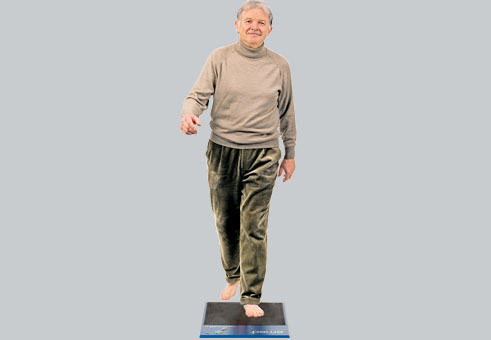
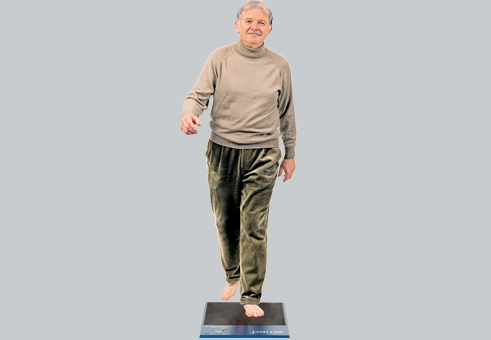
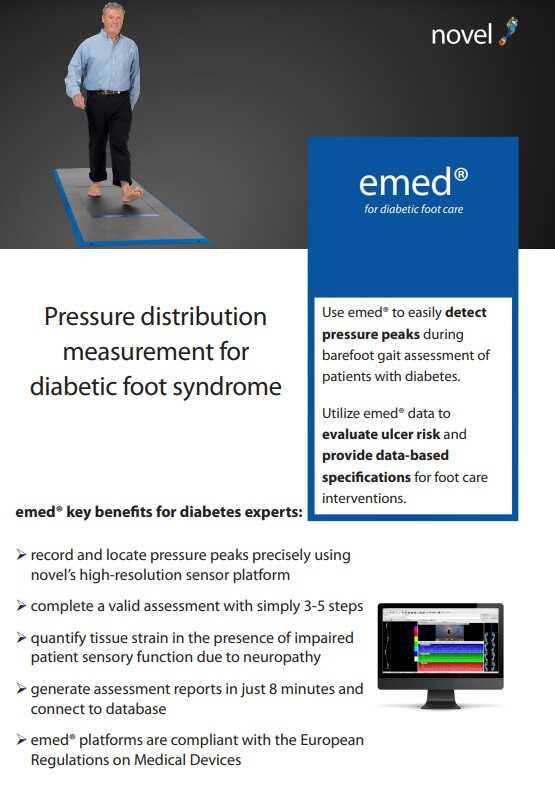
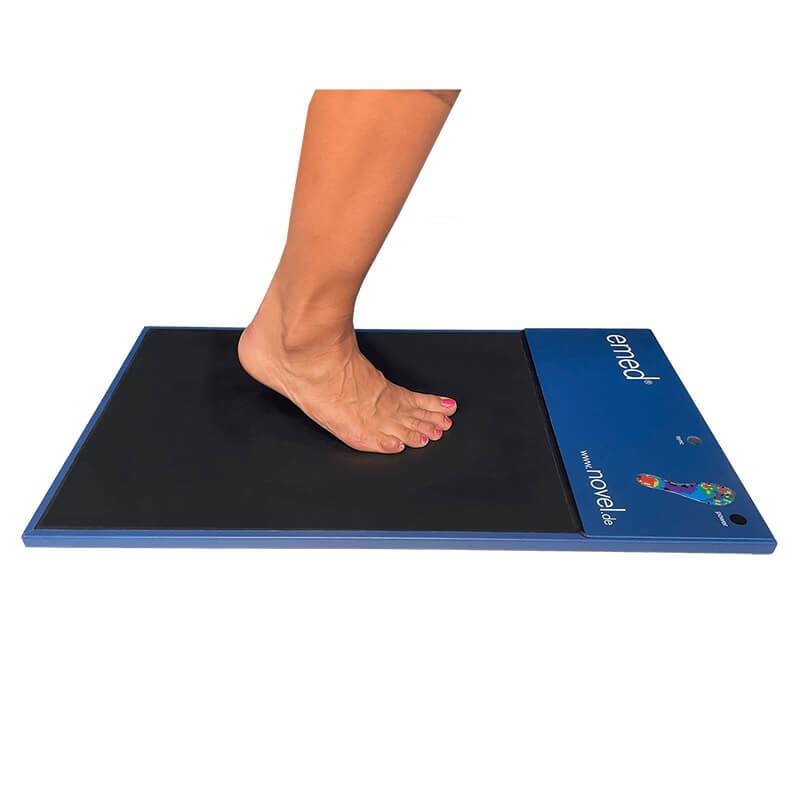
The emed® platform measurement system has proven to be the most accurate pedography system in foot diagnostics. emed® measures the dynamic load distribution under the foot and provides detailed local plantar pressure, foot structure, and function information.
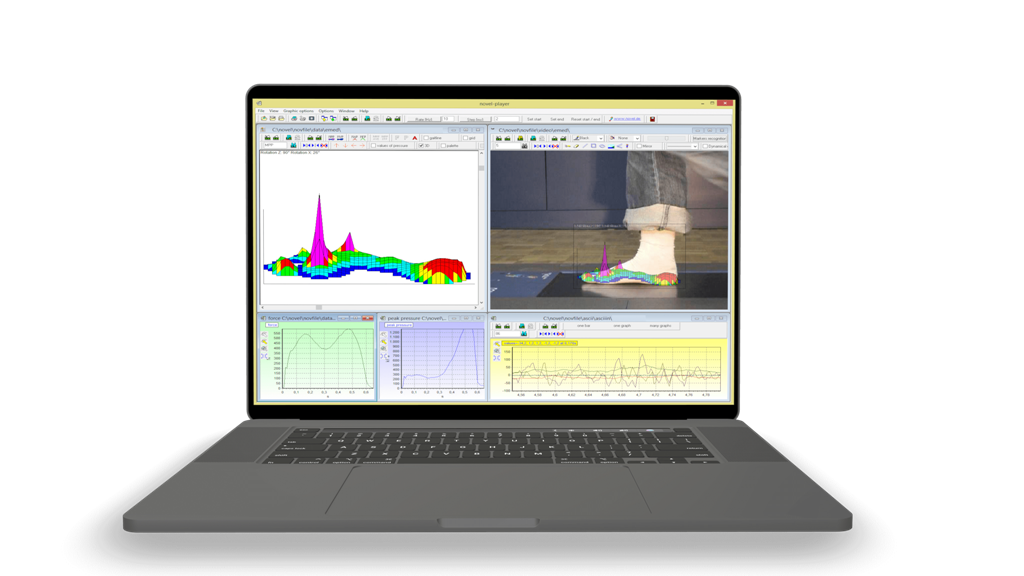
emed® measurement outcomes are used in combination with CAD/CAM systems for selecting the appropriate footwear and for constructing pressure relieving insoles. During this process the real size print out and dynamic playback of the foot‘s loading pattern are especially helpful.
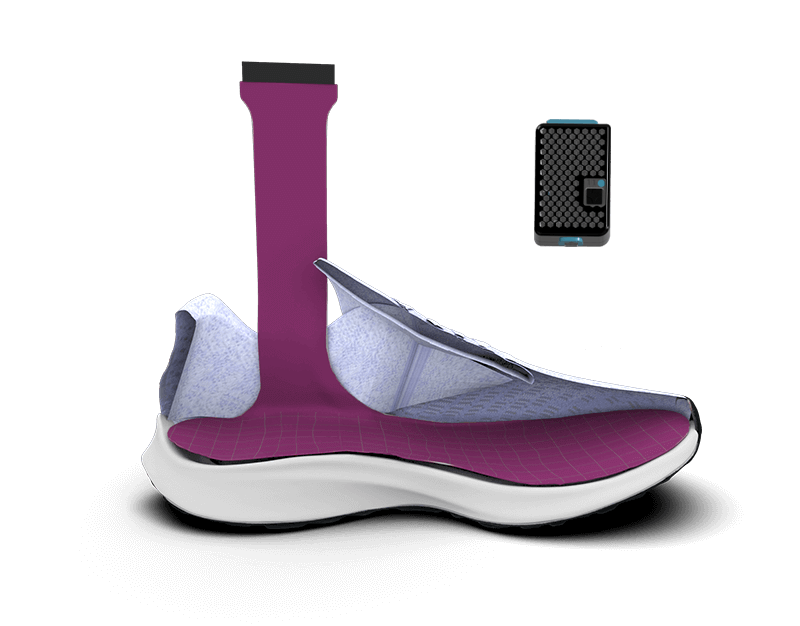
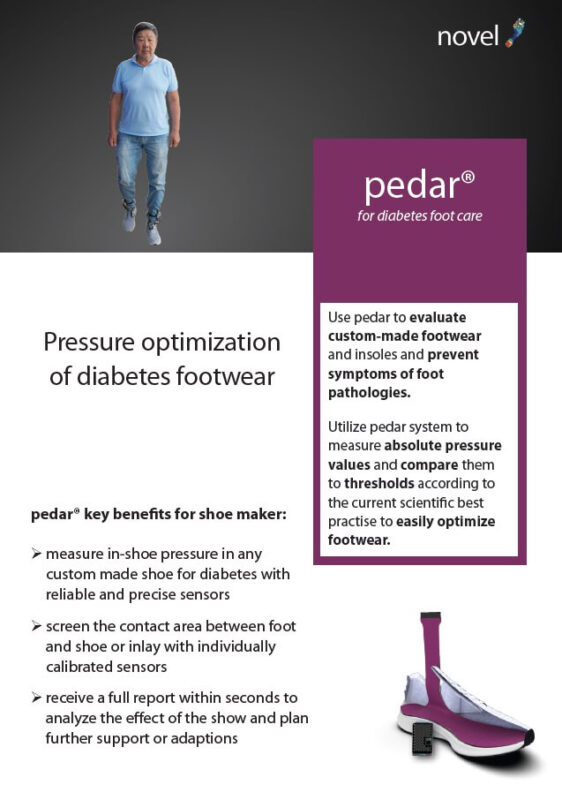
The pedar® in-shoe measurement system is the lightest and most versatile portable foot load measuring system. pedar® works with Bluetooth®. Allowing free movement of patients, it provides detailed and accurate information on foot function as well as the functions of shoe and shoe insert. In addition, the pedar® system is able to measure and quantify pressure relief from inserts in modified shoes.
Since 1983, novel has developed pedography systems for the diabetic foot. Additionally, for more than 30 years, novel’s partners from all around the world have conducted extensive research on this subject.
As a result, novel has acquired valuable know-how in the treatment of the diabetic foot and in the prevention of ulceration and amputations.
The typical pressure pattern of the neuropathic foot shows three characterizations:
- No clearly defined rollover process from heel to midfoot to forefoot and finally to the toes. The foot is typically in a flat position at ground contact and is characterized by immediate forefoot loading. This pattern can also be recognized by the shape of the COP line displayed on the foot pressure picture.
- The localized pressure values under the 3rd, 4th, and
5th metatarsal heads are often elevated in relation to other foot regions. Pressure values of 500 kPa may be seen with the emed® platform. In some cases values over 1 MPa are recorded. - The toes may be less pronounced or not visible in the dynamic picture due to their diminished function.
Procedure to be followed:
- Scan the foot in motion on an emed® pedography platform. Make sure the patient walks across the platform three times with each foot. The novel expert software helps you with the analysis of the foot print.
- Look for high pressure areas and an inconsistent gait pattern as well as low toe function. These could be signs for an altered gait due to neuropathy and foot malfunction
- If ulceration on the plantar aspect of the foot has already occurred supply a total contact cast or a diabetic walking boot to the patient until the ulcer has healed.
- If high pressure points have occured but no ulcers are visible, supply appropriate extra depth shoes for diabetics. A stiff sole and a rocker shape improve the offloading of the foot.
- Send the pedography data to a CAD/CAM system for the manufacturing of custom made inserts. Orthopaedic inserts reduce local high pressure obtaining a better distribution of foot pressure.
- Prove pressure reduction of the footwear by measuring inside the shoe with a pedar® in-shoe pressure measuring system during normal free gait in repeated steps.
Pedography helps the healthcare professional monitor the diabetic foot. High local pressure on the plantar side of the foot can cause ulceration. Appropriate footwear reduces high local pressure and creates a better pressure distribution under the foot. Pedography is therefore of utmost importance in the prevention of diabetic ulceration.
 Products & Applications
 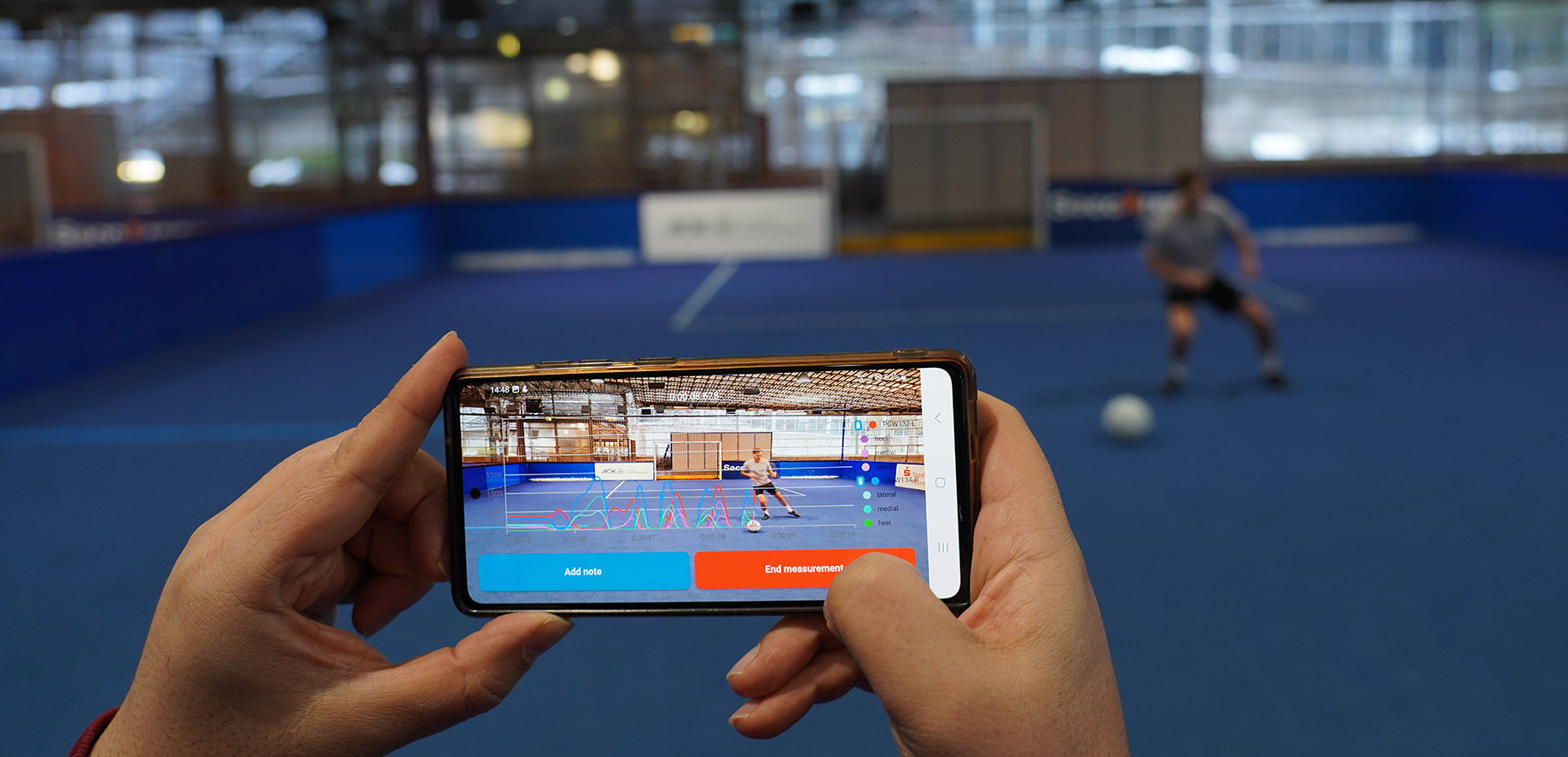 Athletic Monitoring
 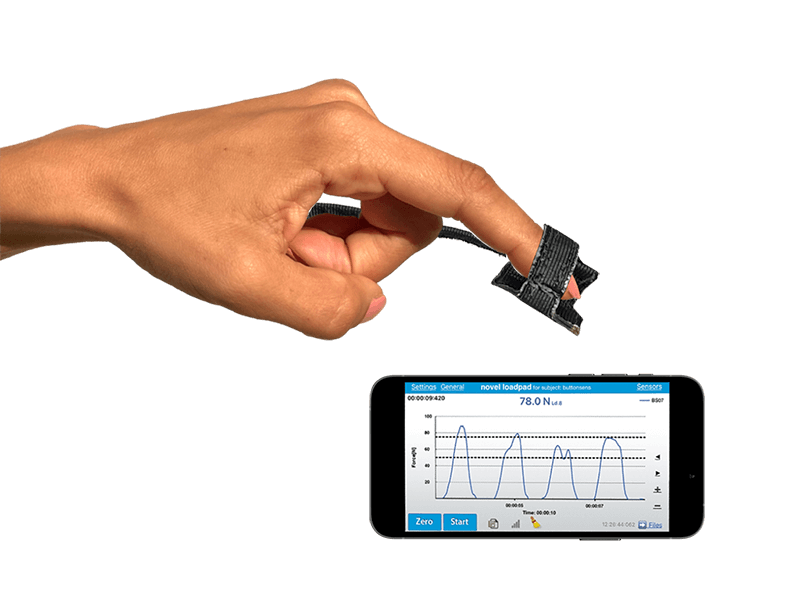 buttonsens
 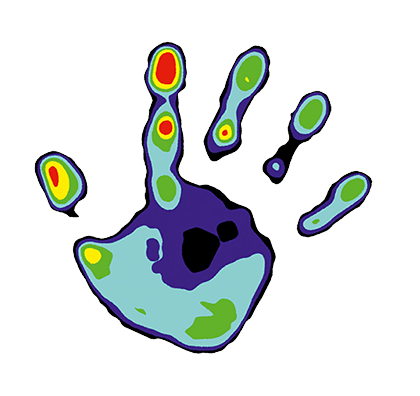 Comprehensive Hand Sensor Solutions: loadglove, pliance glove, and manugraphy systems for force and pressure measurement
  Force & Pressure Measurement in Robotics